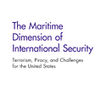
 You may not consider it the foremost supply chain risk, but piracy can endanger civilians, can disrupt the economy, can encourage corruption, and could trigger an environmental disaster if attacks occur in congested sea-lanes traversed by oil tankers. Is this a risk you should be concerned about? The RAND coproration has recently released a report on the maritime dimension of international security.
RAND
Acts of piracy — boarding a ship to commit theft or another crime — totaled 2,463 actual or attempted incidents between 2000 and 2006, according to a report published by the RAND corporation. These trends are the result of a range of phenomena, including a surge in commercial maritime traffic and a decline of coastal and port-side security.
The overall problem is almost certainly even greater than the figures suggest as researchers suspect nearly half of all piracy attacks are not reported, usually because of fears about subsequent investigation costs and increases to insurance premiums.