I like mixing ideas, and my approach to logistics, or supply chain management is no exception.

I like mixing ideas, and my approach to logistics, or supply chain management is no exception.
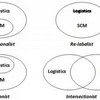
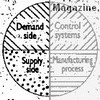
What is SCM really, is it just a new name for logistics or is it possible to distinguish certain perspectives?

This is a true story about how I was credited with a PhD without having one, just because someone mistook one of the posts on this blog to be my PhD. And anyone looking up my work after reading that article now thinks I really have a PhD.
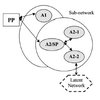
It is not often that I see a paper focusing on the network relationships risks rather than the network risks, let alone applying the principal-agent theory so elegantly.
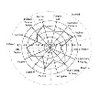
Should short-term loss-minimization and short-term profit maximization really be the driving force behind supply chain risk management?
Making scholarly articles available online has narrowed citations to more recent and less diverse articles than before – the opposite of what most people expect.
Is it possible to summarize seven years of supply chain risk management research and find a common theme or definition of what supply chain risk is all about?
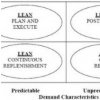
Opposites attract and in the supply chain world, “lean” and “agile” appear to be opposites. Both management strategies have their advantages and disadvantages.

“Publish or perish”. Apparently, getting published in the first place is not as easy as it seems, and the peer-review process may not as objective and unbiased as you may think.
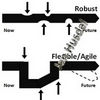
These concepts are often confused, and thus, warrant further explanation. They are distinctively different.
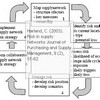
This paper is an excellent discourse on types of risk, sources of risks and descriptions of risk. Particularly, it relates risk to loss and consequences.
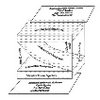
There are four situational factors that are important in supply chains, namely, the buyer, the supplier, the product bought, and the environment surrounding the purchase.
After only knowing about it for a day or two, I must say that I am fascinated by the Theory of Constraints and I intend to find out more about it.
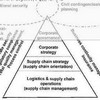
Is it possible to reconcile supply chain vulnerability, risk and supply chain management with corporate governance, business continuity, national security and emergency planning?

I have finally found the right outlet for disseminating my literature blogposts: Research Blogging allows readers to easily find blog posts about serious peer-reviewed research.
We need to consider how a supplier is embedded in its own networks if we are to truly gauge its performance.
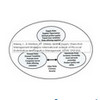
Three factors affect the selection of risk management strategies: temporal focus, supply chain flexibility and supply chain environment.
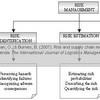
Albeit exploratory and conceptual in its approach, the article provides valuable insights into the current literature.
The perceived trust and the perceived dependence in business relationships influence the perceived vulnerability. The higher the perceived dependence, the higher the perceived vulnerability. The higher the perceived trust, the lower the perceived vulnerability.
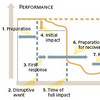
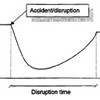
The Disruption Risks in Supply Chain (DRISC) model is developed for investigating all kinds of disruptions that can potentially occur in the supply chain flow along the way from raw material to finished product.